A Homeowner’s Guide to Identifying Roof Leaks, Damp & Water Damage
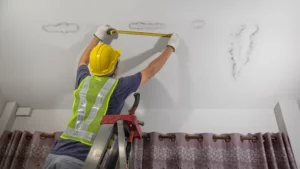
If you’ve noticed water stains on your ceiling, damp walls, peeling paint, or mould inside your home, your first thought is usually:
“My roof is leaking.”
But in reality, the roof is often blamed incorrectly.
As roofing specialists, one of the most important things we explain to homeowners is this:
👉 Not all water damage comes from roof failure.
This guide is designed to help homeowners understand what’s really going on, how to identify the true source of the problem, and how to avoid unnecessary or incorrect repairs.
Can a Roof Leak Come From Somewhere Other Than the Roof?
Yes, very often.
Many symptoms that look like roof leaks are actually caused by:
- Blocked or overflowing gutters
- Failed flashing around chimneys or vents
- Cracked exterior walls
- Plumbing pipes in ceilings or walls
- Condensation trapped inside roof spaces
- Waterproofing failure on flat sections or balconies
Water travels.
By the time it shows inside your home, it may be meters away from the actual entry point.
Common Signs Homeowners Mistake for Roof Failure
Here are the most common warning signs — and what they may actually mean:
Ceiling Water Stains
- Could be: Roof leak, plumbing leak, or condensation
- Not always: A failed roof covering
Damp or Bubbling Paint on Walls
- Could be: Rising damp, wall cracks, failed waterproofing
- Not always: Roof penetration
Mould Near Corners or Ceilings
- Could be: Poor ventilation or condensation
- Not always: Water entering from above
Dripping After Heavy Rain
- Could be: Flashing failure or blocked drainage
- Not always: Roof sheets or tiles themselves
Can a Roof Look Fine but Still Be Failing?
Yes — and this is where professional inspections matter.
Some roof failures are invisible from the ground, including:
- Hairline cracks in waterproofing membranes
- Failed flashing beneath tiles or sheets
- Loose fixings that only leak under wind-driven rain
- Timber movement causing small gaps over time
A roof can look perfectly intact and still allow water ingress under specific conditions.
What Are the Most Common Roof Leak Causes in South African Homes?
Based on real inspections, the most common causes are:
- Deteriorated flashing around penetrations
- Poorly installed waterproofing on flat roofs
- Aging sealants and fixings
- Incorrect slopes or ponding water
- Previous repairs done incorrectly
- Blocked gutters and downpipes
Importantly:
Many of these are repairable without replacing the entire roof.
How Professionals Determine Whether the Roof Is Actually the Issue
A proper assessment should include:
- Visual inspection of roof coverings
- Inspection of flashings and penetrations
- Moisture tracking (not just surface stains)
- Roof space inspection where possible
- Elimination of non-roof causes first
Any contractor who recommends major work without explaining the failure point should raise concern.
When Should You Be Concerned?
You should investigate further if:
- The problem worsens after rain
- Repairs have been done but the issue returns
- Multiple areas show water damage
- Timber or ceiling boards feel soft
- There’s visible mould growth
Early investigation almost always prevents larger, more expensive repairs later.
Final Advice for Homeowners
Before approving any work:
- Ask where the water is entering
- Ask why that point is failing
- Ask whether repair or replacement is truly necessary
- Ask for clear documentation and explanation
A professional roof assessment should give you clarity — not pressure.
Need certainty before committing to repairs?
A proper inspection should identify whether the roof is the problem at all, before recommending any solution.
Get your FREE QUOTE now!