Maintaining your roof is one of the most crucial aspects of homeownership, especially in South Africa where diverse climates and environmental factors can take a toll on your roofing system. Whether you’re nestled in the coastal breezes of Durban or the sunny expanses of Johannesburg, understanding the importance of roof maintenance can save you time, money, and stress in the long run.
In this comprehensive guide, we’ll spill all the beans on why roof maintenance is essential and share industry secrets to help you keep your roof in top condition.
1. Understanding the South African Climate Impact
South Africa’s climate varies significantly across regions, from the hot, dry interiors to the humid coastal areas. These varying conditions can lead to different roofing challenges:
- Sun Exposure: Prolonged exposure to the harsh South African sun can cause roofing materials to deteriorate, leading to cracks, fading, and weakened structures.
- Heavy Rains and Storms: Intense rainfall and storms can result in leaks, water pooling, and even structural damage if the roof isn’t adequately maintained.
- Wind and Sand: Coastal areas face high winds and sand erosion, which can wear down roofing materials over time.
2. Common Roofing Problems in South Africa
Being aware of the common issues that South African roofs face can help you address them promptly:
- Leaks and Water Damage: Water infiltration can damage insulation, electrical systems, and interior walls, leading to costly repairs.
- Ponding Water: Poor drainage can cause water to pool on flat roofs, increasing the risk of leaks and structural stress.
- Moss and Algae Growth: Moist and shaded areas are breeding grounds for moss and algae, which can deteriorate roofing materials and reduce their lifespan.
- Ventilation Issues: Inadequate ventilation can lead to heat buildup in the attic, causing shingles to warp and reducing energy efficiency.
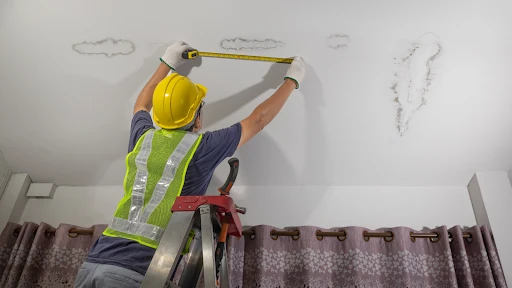
3. The Benefits of Regular Roof Maintenance
Investing in regular roof maintenance offers numerous advantages:
- Extended Roof Lifespan: Routine inspections and timely repairs can significantly prolong the life of your roof, delaying the need for a costly replacement.
- Energy Efficiency: A well-maintained roof enhances insulation, reducing heating and cooling costs.
- Increased Property Value: A sturdy, well-maintained roof boosts your home’s market value and appeal to potential buyers.
- Preventing Major Repairs: Addressing minor issues early prevents them from escalating into major, expensive problems.
4. Industry Secrets for Effective Roof Maintenance
Here are some insider tips to keep your roof in excellent condition:
- Regular Inspections: Schedule roof inspections at least twice a year, preferably in spring and autumn, to identify and fix issues before they worsen.
- Clean Gutters and Downspouts: Ensure that gutters are free from debris to promote proper water drainage and prevent water damage.
- Trim Overhanging Branches: Protect your roof from damage by trimming branches that could fall or scrape against the roofing materials during storms.
- Use Quality Materials: Invest in high-quality roofing materials that are suited to South Africa’s climate, ensuring durability and longevity.
- Professional Maintenance: Hire certified roofing professionals who understand local climate challenges and can provide expert maintenance services.
5. DIY vs. Professional Roof Maintenance
While some maintenance tasks can be handled by homeowners, such as cleaning gutters or removing debris, others require professional expertise:
- Safety Concerns: Climbing on roofs can be dangerous without proper equipment and training.
- Technical Repairs: Issues like shingle replacement, flashing repairs, and structural assessments are best left to professionals to ensure they are handled correctly.
- Warranty Protection: Professional maintenance often comes with warranties that protect your investment, which DIY repairs might void.

6. Cost-Effective Maintenance Strategies
Maintaining your roof doesn’t have to break the bank. Here are some cost-effective strategies:
- Preventative Care: Regular inspections and minor repairs are more affordable than major overhauls caused by neglect.
- Energy-Efficient Upgrades: Investing in reflective roofing materials or proper insulation can reduce energy bills, offsetting maintenance costs.
- DIY Tasks: Handling simple maintenance tasks yourself can save money, allowing you to allocate funds to more critical repairs when needed.
7. When to Replace Your Roof
Despite the best roof maintenance efforts, roofs have a finite lifespan. Signs that it might be time for a replacement include:
Age of the Roof
Most roofs last between 20 to 30 years, depending on the material and maintenance.
- Concrete Roofs:
Concrete roofs, often seen as concrete tile systems, are designed for durability. They can typically last 30 to 50 years when installed correctly and maintained properly. Their longevity is largely due to the robustness of concrete, though local weather conditions and installation quality can influence performance. - Iron Roofs:
Iron roofs—commonly in the form of corrugated or galvanised iron panels—are popular for their lightweight and relatively easy installation. With proper coating and routine maintenance to prevent rust, these roofs generally have a lifespan of 20 to 40 years. Note that untreated iron may corrode more quickly, potentially shortening its useful life. - Tiled Roofs:
Tiled roofs can refer either to clay or concrete tiles. Both types are known for their durability; however, clay tiles often edge out in longevity. Properly maintained, tiled roofs can last 40 to 100 years, with clay tiles typically leaning towards the higher end of this range due to their natural resistance to the elements. - Slate Roofs:
Slate roofs are among the most long-lasting roofing materials available. When installed by skilled professionals and maintained over time, slate roofs can easily last 75 to 200 years. Their natural stone composition gives them exceptional durability, making them a worthwhile investment for those looking for a roof that stands the test of time.
Keep in mind that these figures are general estimates. Actual longevity will depend on factors such as installation quality, local climate, maintenance practices, and any repairs or updates made over time.
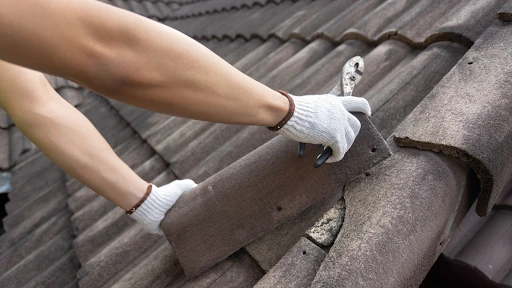
Conclusion: Protect Your Home with a Free Roof Inspection/ Risk Assessment
Your roof is your home’s first line of defence against the elements. Ensuring its integrity through regular roof maintenance is essential for your safety, comfort, and the longevity of your property. Don’t wait until minor issues escalate into major problems.
Click here to schedule your free roof inspection today and have a professional assess the condition of your roof. Take proactive steps to safeguard your home and enjoy peace of mind knowing your roof is in expert hands.